Early Signs of Termite Damage You Shouldn't Ignore
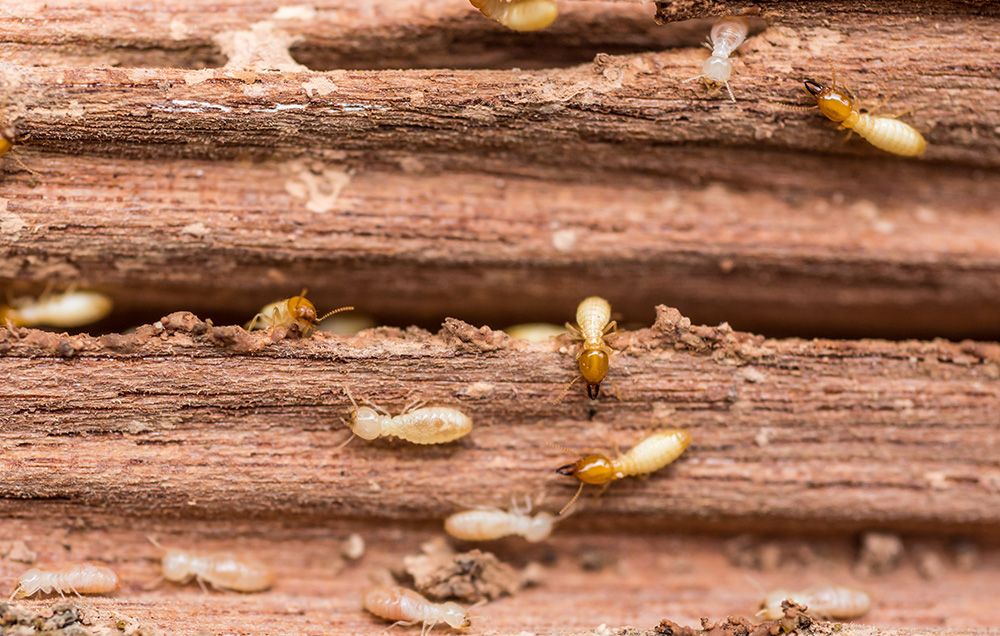
Termites can remain hidden for long periods while gradually damaging wooden structures and other materials around a property. Recognizing the early signs of termite activity can help property owners take action before the damage becomes more extensive.
Why Termites Can Be Difficult to Notice
Termites often work inside wood, soil and other concealed areas. Because much of their activity can happen out of sight, a property may have termite activity before obvious damage becomes visible.
Regular inspection of vulnerable areas can help identify signs of activity at an earlier stage.
Common Signs of Termite Activity
Different types of termite activity can leave different signs. Pay attention to changes in wooden structures, walls and areas around the property.
Where Should You Look for Termite Signs?
Termite activity can occur in different parts of a property, particularly where wood, soil and moisture create suitable conditions.
Wooden Doors and Frames
Door frames, wooden windows and other structural fittings should be checked regularly for signs of weakening, cracks or unusual damage.
Floors and Wooden Structures
Wooden flooring, skirting boards and other timber elements can become vulnerable to termite activity. Soft or hollow-sounding sections may require further inspection.
Walls and Foundations
Areas close to the ground, foundations and wall openings can sometimes provide pathways for termite activity, particularly where moisture is present.
Furniture and Wooden Fixtures
Termites can also affect wooden furniture, cupboards and built-in fixtures. Inspect hidden or less frequently used areas for unusual damage.
Conditions That Can Encourage Termite Activity
Termites are often associated with environments where they can access moisture, food sources and protected spaces.
Moisture Problems
Leaking pipes, damp areas and poor drainage can create conditions that may increase the risk of termite activity.
Wood in Contact With Soil
Wooden structures that remain close to or in direct contact with soil may provide easier access for some termite species.
Unprotected Wooden Materials
Stored timber, cardboard and other cellulose-based materials should be kept properly managed and away from damp areas where possible.
How Can You Help Protect Your Property?
Regular maintenance and inspection can help reduce conditions that may support termite activity.
Why Professional Termite Inspection Matters
Visible damage does not always show the full extent of termite activity. A professional inspection can help identify areas that may not be obvious during a basic visual check.
Depending on the property and the type of termite activity, a professional pest management plan can be developed to address the source and protect vulnerable areas.
Unusual wood damage, mud tubes, discarded wings or changes in wooden structures may justify a professional inspection. Early attention can help prevent a minor issue from becoming a larger property concern.
Protect Your Property Before Damage Grows
Pestifex Pest Management provides professional termite inspection and pest management solutions for residential and commercial properties.